
First On Scene: Honoring the Removal and Transport Teams
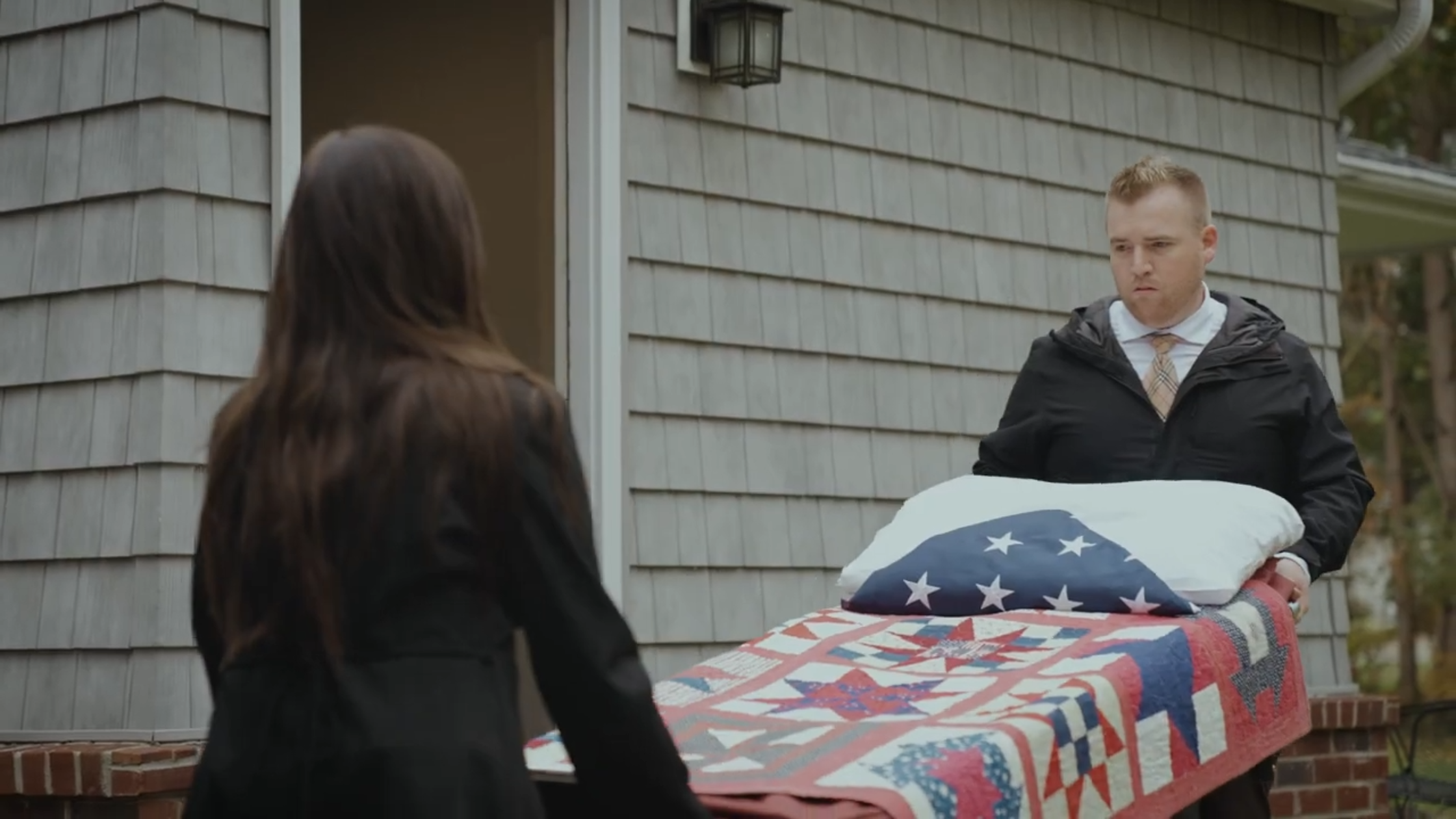
It is 3 a.m. The phone rings, the address loads, and two people pull on jackets in the dark. A family has never met them, yet they will remember their names for years. Before a director speaks, before a chapel is set, the removal team arrives. They are the first impression of funeral service.
This work asks a lot. Tight stairwells, winter ice on a front walk, a hallway that turns at the wrong angle, a family standing five feet away and watching every move. It is physical, yes, but it is also emotional. You carry a stretcher and you carry a room.
I have deep respect for the men and women who do this work night after night. Many own small removal services. Others serve on in-house teams. All of them step into unknown circumstances and set a tone of steadiness and care. When they get it right, the rest of us have a runway. When we do not support them, everyone feels it.
Tools matter. So does technique. Ergonomic equipment is not a luxury item. It protects backs and knees. It keeps motions smooth and dignified in tight spaces. Quality stretchers, secure fastening, smart loading systems, and dependable trolleys reduce strain and reduce the chance of a misstep at the worst possible moment. The right gear does not replace compassion. It makes compassion sustainable.
The business case is plain. Fewer injuries, less turnover, better consistency, and fewer hard conversations with insurers. The human case is stronger. A rested, uninjured specialist has more to give a family at 3 a.m. than someone who is running on fumes. When your first contact has the strength to move with confidence and the margin to speak with kindness, the entire experience improves.
Training shows up in small ways. How to enter a room. Where to pause. What to say and what not to say. How to communicate with a partner without saying much at all. The best teams choreograph the basics so the difficult moments look simple. Families feel that.
If you lead a funeral home, start here. Ask your removal staff what hurts at the end of a week. Ask what equipment would make one common scenario safer. Ride along once a quarter. Fix one thing each month, whether that is a piece of gear, a policy, or a habit. Small changes compound.
For families, the first hour is often the hardest. Our colleagues who serve in that hour protect the dignity of the deceased and the peace of the living. They deserve our attention, our training, and our investment.
To the removal and transport specialists, thank you. You carry the weight none of us see, and you carry it well. Our profession is better when we see you, equip you, and learn from you.