
Running Toward Chaos: Why I Joined Kenyon International
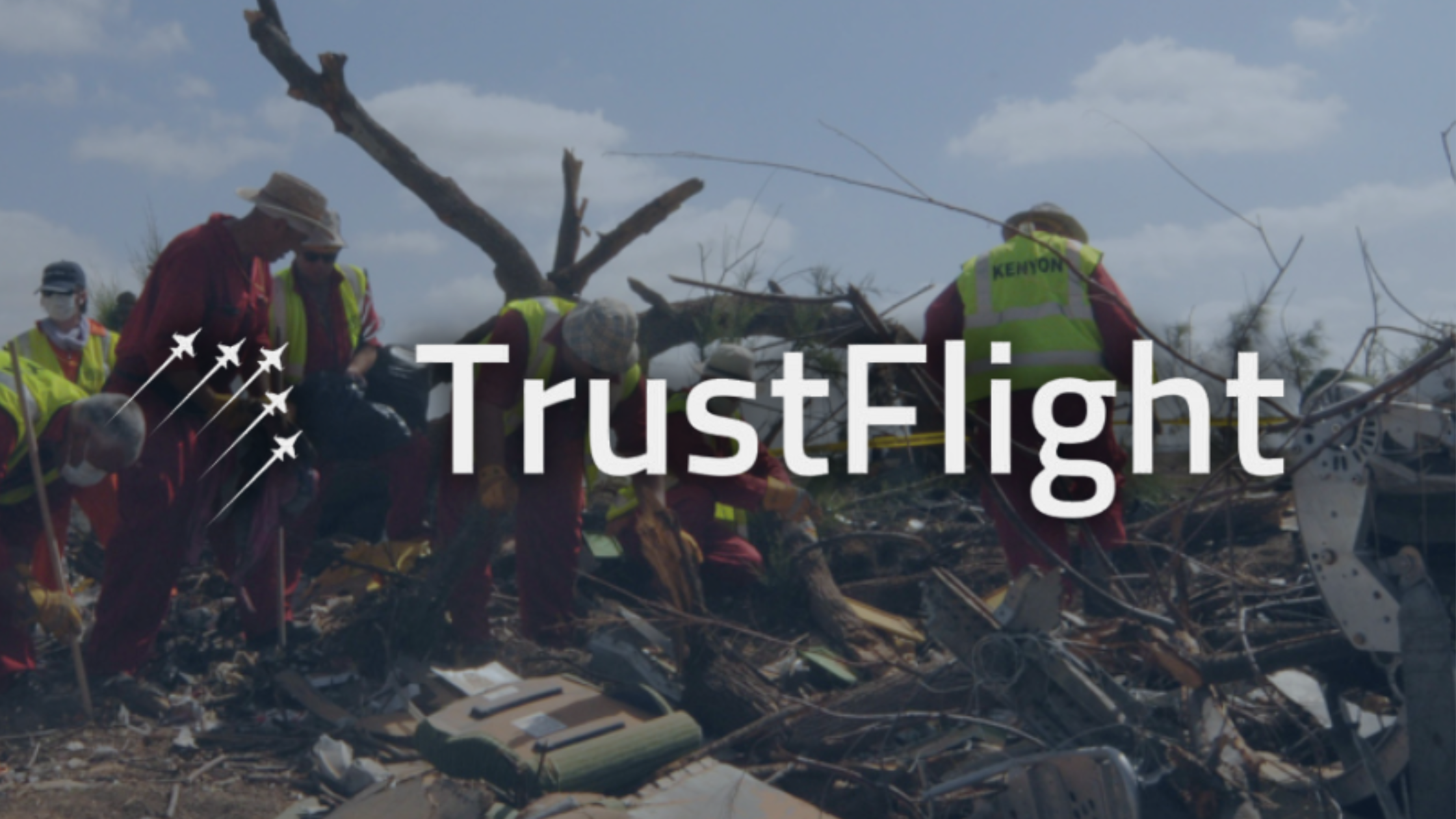
In funeral service, we are trained to be calm when everything around us is not. We walk into rooms where time feels frozen. We steady families who are in shock. We do it quietly, respectfully, and often without recognition. That mindset is one of the reasons I accepted an appointment into the Kenyon International Emergency Services Responder Programme.
Kenyon is the world’s oldest and most experienced disaster management firm, with more than a century of response work behind them. Their largest clients are airlines, so when an aircraft goes down, the work becomes an “ultimate mash up” of professions and skilled trades coming together around a single purpose. Around a crash site you might see clean up crews, medical teams, firefighters, investigators, logistics teams, and the basic support that keeps responders functioning. Kenyon’s role is to organize all of it. They deploy people, specialties, and systems in a coordinated way to help restore order and dignity when the world is at its worst.
Caring for the deceased is only one part of that picture, but it is a deeply important part. Kenyon teams support victim identification, family liaison services, repatriation coordination, documentation, and personal effects. When the immediate crisis ends and media attention fades, the work continues behind the scenes. The goal is not speed. The goal is correctness, compassion, and respect.
There is also a real cost to the responder role. Responders agree to work 12 hour days, 7 days a week. Deployments happen in roughly two week sprints. After each sprint there is mandatory decompression at home. Only those who are mentally and physically cleared return to the field. Conditions are unpredictable. People can be scared, anxious, hot, cold, wet, exhausted, or dehydrated, sometimes all in the same deployment. This work is not a badge. It is a commitment.
Where this ties back to funeral service is the deeper question. Why are there people and professions that consistently run toward crisis?
Funeral directors are one of those groups, right alongside ER physicians, trauma nurses, and others. Over a 25 to 50 year career, a funeral director will see an enormous amount of tragedy. We do not talk enough about what that does to a person, the cumulative grief, the potential for PTSD, and the emotional load that comes with being the steady presence.
I am not sure it is always “healthy” to run toward chaos, but I do know a few things. We need people who can remain calm and functional under extreme pressure. Funeral directors are already doing this work every day in their own communities. And there is growth in being uncomfortable when it is done with purpose and within reasonable bounds.
For me, Kenyon feels like a continuation of that calling. I joined to be ready if the moment ever came, and it did. In the next column, I will share what it was like to be activated, including my experience supporting the Air Canada response.