
The Barbershop Lesson
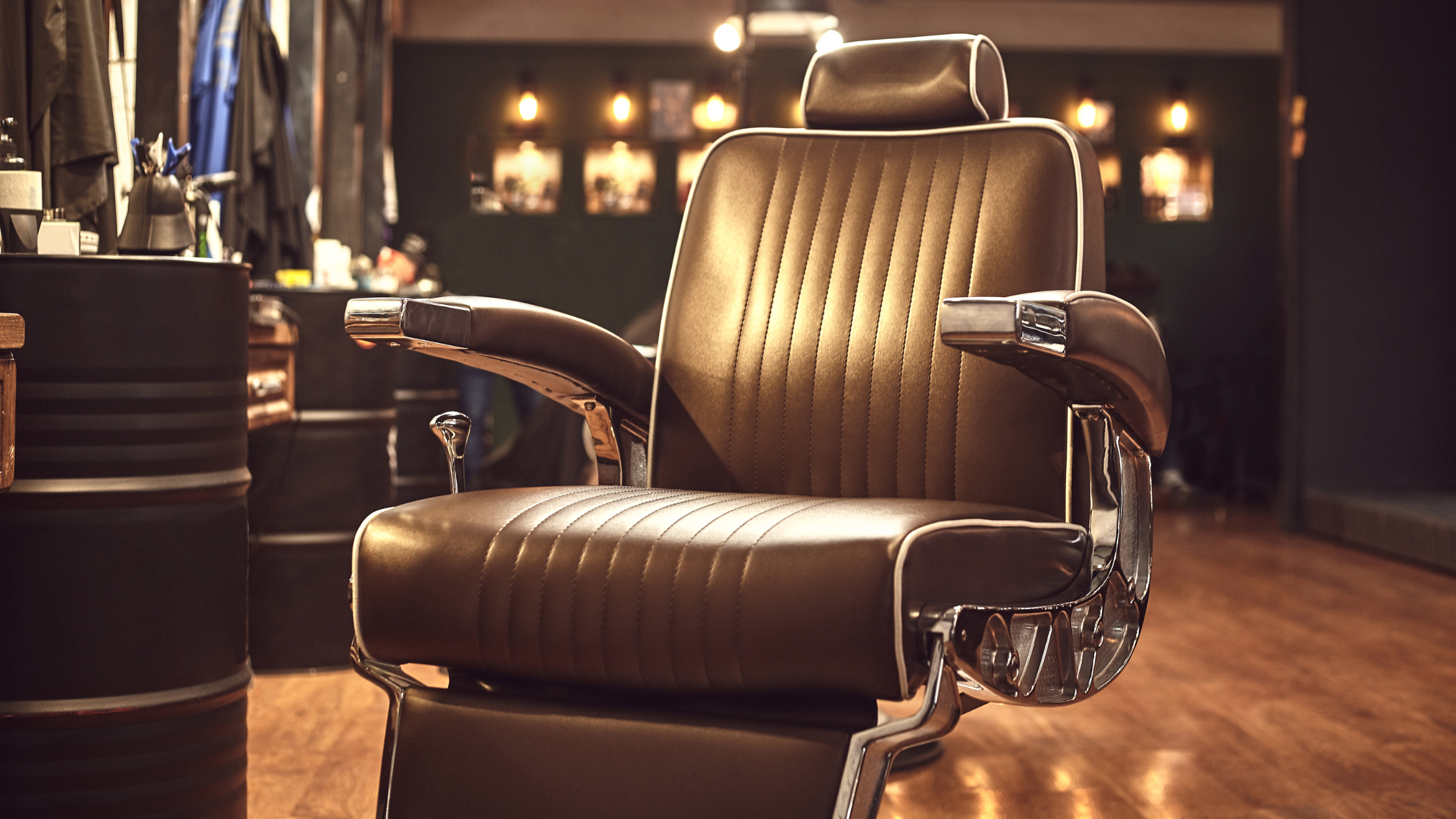
There’s something special about an old-school barbershop. Not the big chain kind, but the small, local spot where the chairs are worn smooth, the clippers hum steadily, and the conversation is as much a part of the visit as the haircut. I’ve sat in plenty of them over the years, and I’ve realized they’re not just places for grooming; they’re places for connection.
When you walk into a good barbershop, you’re not just a customer. You’re greeted by name, asked how you’ve been, and probably teased a little before you even sit down. The barber remembers what you do for work, how many kids you have, and what sports team you root for. It is familiar, genuine, and consistent. You don’t keep going back only because you need a haircut. You go because of how it feels to be there.
That is a lesson funeral homes can take to heart.
In many ways, a good barber and a good funeral director are not all that different. Both serve people at personal, vulnerable moments. Both build loyalty through trust and presence. And both know that the real skill is not just in the work itself, but in how you make someone feel while you are doing it. McKinsey reports that 71% of consumers expect personalized interactions, and 76% get frustrated when they do not receive them. That’s exactly what remembering a name, a story, or a preference accomplishes. It lowers shoulders and builds trust before a single form is signed.
A great barber listens before they act. They don’t just grab the clippers and start cutting. They ask what you want, listen for what you really mean, and notice details most people would overlook. In funeral service, that same kind of listening changes everything. When families feel heard, they relax. They open up. And when they open up, you get to do your best work, creating something personal and meaningful instead of routine. The NFDA’s latest consumer research shows people still want guidance, with many not feeling confident planning a funeral on their own. Clear listening and guidance are not soft skills; they are what families are asking for.
Barbershops are also places where community gathers. People linger after their haircut, talk about life, share stories, and check in on each other. Funeral homes can be that kind of place too. Not only a building for services, but a trusted space in the community where people feel welcome to stop in, ask questions, or just talk.
Funeral service, like a good haircut, is part skill and part relationship. You can’t rush either one. The best results come when you slow down, pay attention, and take pride in every detail.
The next time you find yourself in your local barbershop, listen to the rhythm of conversation, the laughter, and the care that goes into something as simple as a haircut. There’s a lot we can learn there about connection, trust, and showing up for people in a way that keeps them coming back.